Meditations to start the year right
Discover how to start the year with meditation using Headspace or Gaia

Summarize with AI
Starting the year with a meditation practice can be a decisive turning point in how we face our daily challenges. Initiating a contemplative routine not only allows us to better understand our inner selves but also improves concentration, reduces stress, and strengthens mental health.
General Benefits of Meditation
Physical and Mental Well-being
Meditation has become a fundamental tool for improving both physical and mental well-being. The World Health Organization (WHO) highlights its benefits for overall well-being, emphasizing the balance it brings to both body and mind.
Incorporating meditative practices regularly helps relax muscles, lower blood pressure, and reduce the risk of stress-related illnesses. The mind clears, allowing for better decision-making and reducing daily tension.
This approach not only guides towards a less hectic life but also paves the way to discover internal aspects that remain in the shadows, fostering a fuller and more conscious life.
Benefits in Psychiatry
Psychiatrist José Antonio García Campayo has noted that meditation can produce very noticeable changes with sessions of five or ten minutes daily for three months. The adoption of this practice in psychiatry is based on studies showing brain transformations and improvements in emotion management.
The integration of meditation in psychiatric treatments is supported by scientific evidence. It has been proven, for example, that systematic practice helps reduce symptoms of anxiety and depression, making meditation both a therapeutic and preventive tool.
Additionally, meditation has been shown to improve concentration and attention across different age groups, making it a useful resource for addressing mental and emotional issues.
Positive Results in Different Age Groups
Statistics show that meditation extends to different cohorts of the population. For example, 15.9% of adults aged 45 to 64 practice meditation, surpassing the 13.4% in the 18 to 44 age range. This suggests that as we progress in life, there is a growing interest in seeking tools to improve quality of life.
Regarding children, data from the National Center for Health Statistics reveal an exponential growth in its use, almost 10 times more in 2017 than in 2012. This trend indicates not only an early openness to mindfulness practices but also a recognition of its benefits in comprehensive development.
Each age group finds in meditation a way to improve focus and reduce daily concerns, preparing the ground for a more balanced and healthy life.
How to Start Meditating: A Practical Guide
Preparing the Environment and the Mind
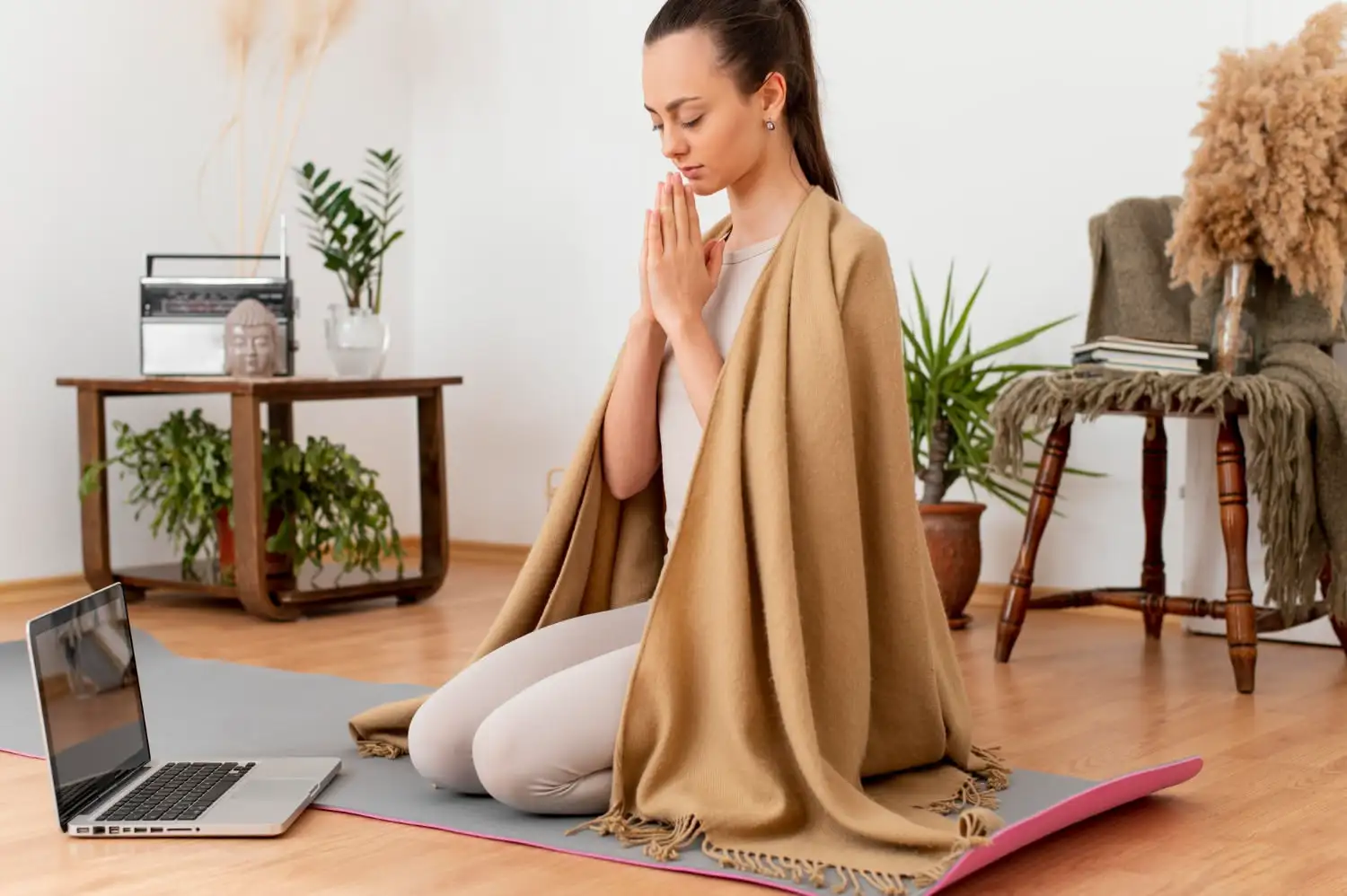
To start a meditation practice, it is important to have a quiet space free from interruptions. Choosing a corner at home, or even in the work environment, can make a difference in the effectiveness of meditation.
Ensure a comfortable posture, whether sitting in a chair or on the floor with a cushion. Keep your back straight and allow your breath to flow naturally, without forcing it. A silent environment favors concentration and helps detach from distracting thoughts.
An aromatic environment or soft lighting can enhance the feeling of calm and security. The integration of elements like candles or tranquil music serves to mark the transition from daily routine to a moment of self-reflection.
Basic Meditation Techniques
There are different meditation techniques, and ideally, you should experiment until you find the one that best suits your needs. From mindfulness meditation to breath concentration, each approach offers different paths to achieve inner balance.
A widely used technique involves focusing on the breath, observing how the air enters and leaves the body. This simple method allows disconnection from external tensions and focuses the mind on the present.
Another method is guided meditation, using audio that leads through different visualizations. Mindfulness audios have shown improvements in attention and concentration, as evidenced by various studies conducted on students.
Establishing a Daily Routine
To reap the benefits, it is essential to establish a daily practice, even if it's just five or ten minutes a day. Consistency favors significant changes in the brain, helping to consolidate emotional self-regulation mechanisms.
Reserve a specific time each morning or before bed for meditation. Daily repetition creates a habit and can make a noticeable difference in your mood and mental health.
Try starting with short sessions and gradually extend them. The key is to enjoy the practice without pressure, allowing each session to become a moment of self-care and personal learning.
Headspace and Gaia: Your Digital Allies for Meditation
Meditation apps have become indispensable tools for those seeking to establish a consistent and guided practice. Two of the most recognized and comprehensive platforms are Headspace and Gaia, each with unique features that cater to different meditation needs and styles.
Headspace: Simplified and Accessible Meditation
Headspace is one of the world's most popular meditation apps, known for its friendly and structured approach. Founded by Andy Puddicombe, a former Buddhist monk, this platform offers:
Main Features:
- Guided meditations for beginners and advanced users
- Specific programs for sleep, stress, anxiety, and focus
- Short sessions of 3 to 20 minutes adapted to your schedule
- Content for children and teenagers
- Breathing and mindfulness exercises
- Educational animations explaining meditation concepts
- Music and sounds for relaxation
Headspace is ideal for those new to meditation or seeking a structured daily practice with an intuitive interface and content backed by scientific research.
Gaia: Expansion of Consciousness and Spiritual Content
Gaia goes beyond traditional meditation, offering a comprehensive platform dedicated to spiritual growth and personal transformation. This app is perfect for those looking to delve into different contemplative practices and philosophies.
Main Features:
- Thousands of videos and documentaries on spirituality and consciousness
- Guided meditations of various styles and traditions
- Video yoga classes for all levels
- Content on personal development and self-awareness
- Programs by internationally recognized teachers
- Access to original series on spiritual topics
- Global community of practitioners
Gaia is the perfect choice for those who want to explore different spiritual paths, combine meditation with yoga, or access deep teachings from masters worldwide.
Save by Sharing Your Subscriptions with Sharingful
Although both Headspace and Gaia offer high-quality content, the cost of monthly subscriptions can be a barrier for many people. This is where Sharingful becomes the perfect solution to make these practices more accessible.
How does Sharingful work with meditation apps?
Sharingful is a Spanish platform that facilitates sharing digital subscriptions legally and securely. Both Headspace and Gaia allow multiple profiles or simultaneous access in their family plans, making it possible to share the cost with others interested in meditation.
Advantages of sharing with Sharingful:
Significant savings: Divide the subscription cost among several users, paying only a fraction of the total price
Full access: Enjoy all premium features without limitations
Automatic management: Sharingful manages monthly payments automatically
Guaranteed security: Secure platform that protects your personal data
Flexibility: Cancel anytime without long-term commitments
Community of meditators: Connect with others who share your interest in well-being
How to start saving:
To share Headspace, simply:
- Register on Sharingful
- Find an available Headspace group or create your own
- Share the cost with other users
- Start meditating by paying only your proportional part
To share Gaia, the process is equally simple:
- Access Sharingful and create your account
- Join an existing Gaia group or form your own
- Divide the expenses equitably
- Enjoy all the spiritual content at a reduced price
Practical example of savings:
Imagine the premium subscription of Headspace costs €12.99 per month. If you share with 3 more people through Sharingful:
- Without sharing: €6.25/month (€75 per year)
- Sharing: Approximately €1.04/month (€12.48 per year)
- Annual savings: Over €62!
The same applies to Gaia, whose annual subscription can be divided among several users, turning a considerable investment into a minimal monthly expense.
Which to Choose: Headspace or Gaia?
The choice depends on your personal goals:
Choose Headspace if:
- You are a beginner in meditation
- You seek a structured and simple daily practice
- You want to work on specific aspects like sleep, stress, or focus
- You prefer short and practical sessions
- You value scientific backing and educational animations
Choose Gaia if:
- You already have meditation experience and want to deepen it
- You are interested in exploring different spiritual traditions
- You want to combine meditation with yoga
- You enjoy documentaries and audiovisual content on consciousness
- You want access to teachings from renowned masters worldwide
Why not both?
With Sharingful, the cost of having both subscriptions becomes so accessible that you can enjoy the best of both worlds: the structure and simplicity of Headspace for your daily practice, and the depth and variety of Gaia for your spiritual exploration.
Meditation and Well-being: Evidence and Recommendations
Studies Supporting Meditative Practice
Recent studies confirm that meditation produces significant changes in the brain even with brief daily sessions. Regular practice for three months can generate positive alterations in brain activity, reinforcing neural connections that favor emotional well-being.
Psychiatrist José Antonio García Campayo has emphasized how meditation not only serves as therapy when states of discomfort arise but also as a preventive measure to avoid emotional deterioration.
The evidence is compelling: research in the psychiatric field has increasingly leaned towards the inclusion of meditation as a complement in treatments for anxiety and depression, adding value to this practice.
Recommendations from the World Health Organization (WHO)
The WHO recommends meditation for its benefits on both physical and mental well-being. This organization supports meditative practice as a tool to combat stress and foster a positive attitude towards life.
It has been observed that meditation helps reduce cortisol levels, the stress hormone, which can translate into a lower risk of cardiovascular diseases and other problems related to chronic stress.
The WHO's approach also emphasizes that meditation should be considered not only as a solution for crisis moments but as a preventive practice that strengthens overall health in the long term.
Impact on Quality of Life
Practicing meditative techniques regularly has the potential to transform quality of life, allowing obstacles to be faced with greater serenity and balance. Meditation fosters a deep connection between mind and body, helping to identify and manage emotions healthily.
This mind-body link translates into a greater capacity to manage stress and uncertainty, relieving accumulated tensions and offering a respite amid overwhelming routines.
Finally, opting for meditation is an investment in oneself. Consistency in practice creates the foundation for a more conscious and healthy lifestyle, consolidating a path of personal growth that benefits all areas of existence.
Strategies to Integrate Meditation into Daily Routine
Use of Mindfulness Audios and Apps
A very useful option for those starting on this path is to use meditation audios or specialized apps. These tools offer step-by-step guides that simplify the experience and give structure to daily practice.
Using these apps allows beginners to familiarize themselves with different techniques, offering a variety that can be personalized according to individual needs. Testimonials from students and professionals point to a noticeable improvement in attention and concentration after implementing guided meditations.
These digital resources allow reaching a level of concentration that facilitates disconnection from scattered thoughts, quickly and effectively orienting the mind towards the here and now.
Creating a Dedicated Meditation Space at Home
Establishing a dedicated space at home helps consolidate the meditative routine. This space doesn't have to be large, just isolated enough to generate a sense of peace and privacy.
Decorate that corner with elements that inspire tranquility: cushions, candles, or even a plant. The care in the aesthetics of the environment directly impacts the emotional state and the ability to concentrate during meditation.
A relaxing atmosphere not only favors the start of practice but also becomes a constant reminder of the importance of caring for mental and emotional health, especially in times of high demand.
Incorporating Meditation into the Morning Routine
Integrating meditation into the morning routine is a strategy that many have found effective for starting the day with energy and clarity. Dedicating those first minutes to a meditative practice prepares the mind for daily challenges and reduces anxiety.
A brief session upon waking also improves the ability to concentrate on work and personal activities throughout the day. It becomes a moment of transition between sleep and wakefulness, helping to set a positive intention for the day.
Starting the day with meditation also provides the opportunity to set clear and realistic goals, enhancing the connection with your emotions and creating an environment conducive to facing challenges with greater balance.
Meditation for Different Life Stages
Meditation in Adults and Seniors
Statistics reveal a growing interest in meditation among adults and seniors. With 15.9% of the population aged 45 to 64 practicing it, it is evident that as life's concerns accumulate, the search for balance and inner peace intensifies.
For these ages, meditation can be a powerful ally in managing stress accumulated over the years. Dedicating a few minutes daily to disconnect can significantly help their overall well-being, improving mental and physical health.
The use of breathing and visualization techniques allows this age group to face daily routine with a renewed attitude. It is an opportunity to rediscover simple routines that, over time, generate great emotional and physical benefits.
Meditation in Young Adults
Young adults find in meditation a tool to combat information overload and the constant pressures of modern life. With daily practice, it is possible to improve attention and stress management, allowing focus on daily priorities.
Meditative practice is especially useful for those facing highly competitive university or work environments. The ability to keep the mind focused translates into better decision-making and reduced performance-related anxieties.
This age group finds in meditation a safe space to disconnect from external demands, cultivating a mental environment that favors personal and professional growth on equal terms.
Meditation in Children and Adolescents
The exponential growth in the use of meditation among the youngest is a truly encouraging phenomenon. According to data, almost 10 times more children are using meditation today than a few years ago. This practice helps improve attention, stress management, and the ability to connect with their emotions.
The inclusion of meditative techniques in school programs can favor the cognitive and emotional development of children and adolescents, while also providing them with tools to manage social and academic pressure.
Implementing small meditation sessions in the school environment generates a positive impact on concentration and personal development. These practices have the potential to establish healthy foundations for life, helping to shape a resilient and balanced attitude towards adversity.
Steps for Effective and Consistent Meditation
Define Clear Objectives
Defining clear objectives is the first step to making meditation a consistent practice. Do you want to reduce stress, improve your concentration, or simply find a moment of peace in your day? Setting goals helps you focus and feel that each session counts.
The objectives don't have to be big or complex. They can be as simple as dedicating five minutes daily to conscious breathing. Over time, these small achievements become significant advances in terms of emotional and physical well-being.
Remember not to pressure yourself. The idea is for meditation to become a moment of enjoyment and self-care, so you feel motivated to continue the practice regardless of the circumstances.
Create a Practice Follow-up
Recording meditation progress can motivate maintaining discipline. You can keep a journal where you note your sensations after each session, the thoughts that emerge, or the changes you notice in your mood over time.
This follow-up not only allows you to see the accumulated benefits but also helps you adjust techniques and times according to your needs. Consistency is essential; a small daily record can be the witness of great personal transformations.
Using apps or simply a physical notebook can be very useful for this follow-up. Visual feedback is a tangible reminder that connects you with your progress and encourages you to continue on the meditation path.
Adjustments According to Personal Experience
The practice of meditation is very personal. What works for one person may not be as effective for another. It is important to be open to making adjustments in technique, environment, or even schedule.
By experiencing changes and observing the results, adapt the practice according to your sensations and needs. Flexibility is essential to make meditation a lasting and beneficial habit.
Exploring different styles, such as movement meditation, mantra meditation, or breath-focused meditation, allows discovering the method that best aligns with your expectations and lifestyle. Over time, these adjustments can lead to a truly personalized practice.
Myths and Truths About Meditation
Debunking Misconceptions
There are numerous myths surrounding meditation. Some people believe it is necessary to completely empty the mind or that it is an exclusive spiritual activity for certain groups. The reality is quite different.
Meditation involves observing thoughts without judging them; it's not about eliminating them. It is a practice accessible to anyone, regardless of their religious or spiritual beliefs. It can be practiced secularly, focusing on physiological and psychological benefits.
Another common myth is that endless hours of practice are required to start seeing results. Studies and testimonials indicate that consistency in brief sessions can produce significant changes, both at the brain and emotional levels.
Realities Proven by Science
Scientific evidence supports the benefits of meditation. Research has shown that a daily practice, even for short periods, has positive effects on reducing anxiety and improving concentration.
Mental health experts, such as psychiatrist José Antonio García Campayo, have pointed out that meditation can be both a therapeutic and preventive tool. These advances have allowed meditation to be incorporated into clinical contexts to help combat various disorders.
The transformation in brain activity after regular practices has been observed in multiple studies, highlighting the potential of meditation to improve quality of life comprehensively.
Frequently Asked Questions
Meditation in Winter: A Refuge for the Soul
Benefits of Meditating in the Winter Season
Winter, with its shorter days and colder temperatures, can be a challenging time for many. However, it also offers a unique opportunity for introspection and personal growth through meditation.
Meditating during winter can help combat seasonal sadness, providing a space of calm and reflection amid the darkness. Regular practice can elevate mood and offer a sense of internal warmth that counteracts the external cold.
Moreover, winter invites stillness and retreat, ideal conditions for deepening meditative practice. This time of natural hibernation can be leveraged to establish a deeper connection with oneself, cultivating inner peace and emotional resilience.
Techniques for Meditating in Winter
To meditate in winter, it is important to create a cozy and warm environment. Use blankets, cushions, and candles to create a space that invites relaxation. The combination of a pleasant temperature with meditative practice can enhance the benefits and make the experience more enjoyable.
Take advantage of cold mornings to practice meditations focused on gratitude and internal warmth. Visualize light and heat extending from your center to your entire body, counteracting the external cold with internal vital energy.
You can also experiment with longer meditations during winter weekends, taking advantage of the slower pace of the season to deepen your practice and explore new techniques with the help of apps like Headspace or Gaia.