Utilities of a VPN
Discover the multiple uses of VPNs: privacy protection, security on public networks, access to restricted content, and more. Learn about the leading providers like NordVPN, CyberGhost, and ProtonVPN.

Summarize with AI
In this article, we will explore in depth the main advantages of using a VPN, as well as its impact on user security and privacy.
Main VPN Providers
In today's market, there are numerous VPN services, but three stand out for their popularity, features, and reliability: NordVPN, CyberGhost, and ProtonVPN.
NordVPN is one of the most recognized providers worldwide, offering a wide network of servers in multiple countries and state-of-the-art encryption technologies. Its intuitive interface and ability to unblock geographically restricted content make it a preferred choice for millions of users.
CyberGhost stands out for its ease of use and servers optimized for different activities, such as streaming, torrenting, or secure browsing. With a strict no-log policy and servers in over 90 countries, CyberGhost offers an excellent balance between functionality and price.
ProtonVPN, developed by the team behind ProtonMail, places special emphasis on privacy and transparency. Based in Switzerland, a country with strong data protection laws, ProtonVPN offers a free version with limited features and premium plans with advanced security functionalities.
Each of these providers offers unique features that can cater to different needs and budgets, from casual users to professionals requiring the highest level of security and privacy.
Additionally, each of these VPNs allows multiple devices to be used simultaneously, so the subscription can be shared with others without any impact.
1. Online Privacy Protection
One of the most notable utilities of a VPN is its ability to protect user privacy. By connecting to a VPN, the user's real IP address is hidden, making it difficult for advertisers and cybercriminals to track online activities. This is especially relevant in a digital environment where personal information can be easily accessible.
Without a VPN, users risk having their data intercepted. According to an industry analysis, "using the Internet without a VPN means that advertisers or cybercriminals can see your online activities and conversations." This underscores the importance of having an additional layer of security when browsing the web.
Moreover, in countries where content is censored, VPNs allow users to bypass these geographical restrictions, accessing information and services that would otherwise be blocked. This becomes an essential tool for those seeking freedom of information.
1.1. Access to Restricted Content
VPNs are especially useful for accessing content that may be restricted in certain regions. For example, streaming services like Netflix or Hulu may have different catalogs depending on the country. With a VPN, users can change their virtual location and access exclusive content from other regions.
This not only expands entertainment options but also allows users to discover shows and movies that would otherwise not be available in their country. However, it is important to choose a VPN with servers in multiple locations to maximize this utility.
1.2. Protection on Public Wi-Fi Networks
With the increase in mobile device usage, many people connect to public Wi-Fi networks, which are inherently insecure. VPNs offer an additional layer of security by encrypting the user's connection, making it difficult for hackers to intercept sensitive data, such as passwords or banking information.
This is especially relevant for travelers or those working in cafes and public spaces. Without a VPN, personal information can be vulnerable to attacks, but with this tool, users can browse with greater peace of mind.
2. Device Security
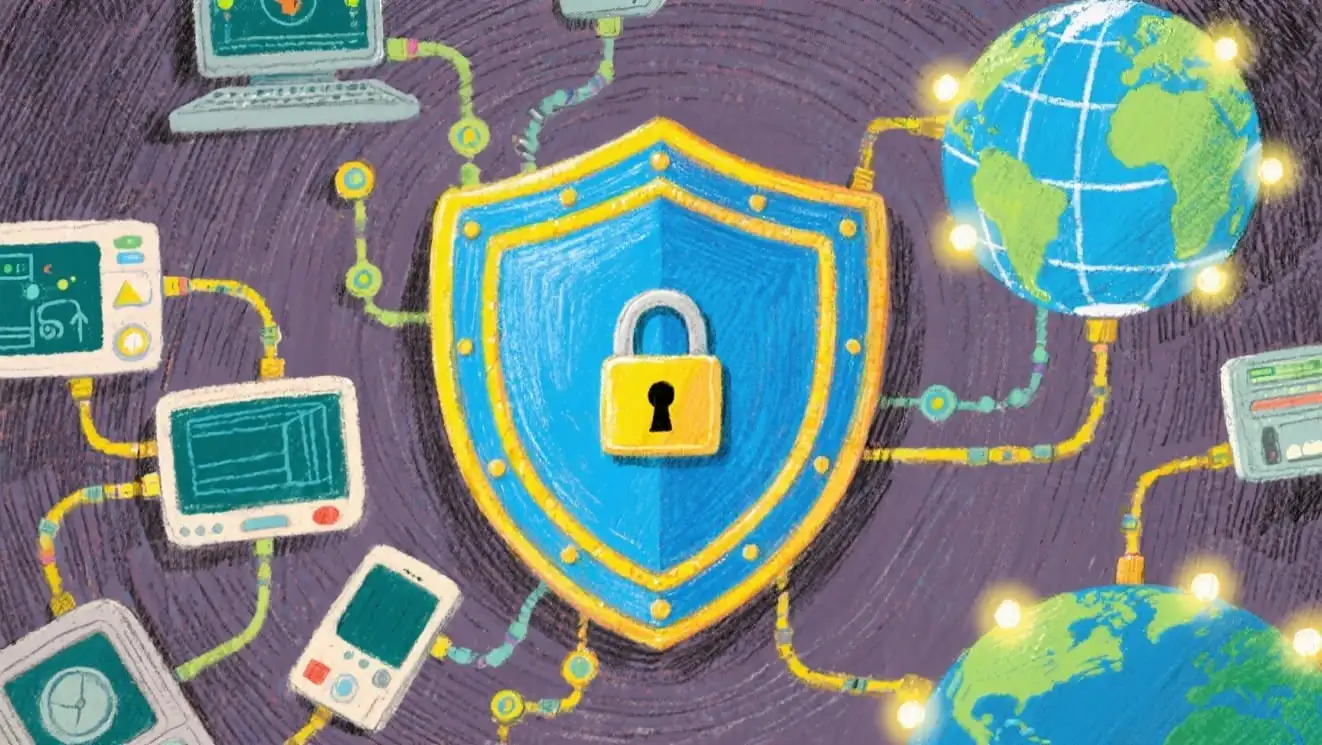
Device security is another key utility of a VPN. According to a cybersecurity expert, "a VPN is also crucial for protecting users' devices, such as computers, laptops, smartphones, and tablets, from being intercepted by cybercriminals." This highlights the importance of having a VPN not only for privacy but also for active protection against cyber threats.
VPNs use advanced encryption protocols that ensure the data transmitted between the user's device and the VPN server is protected. This means that even if a hacker manages to intercept the connection, the data would be virtually unintelligible.
2.1. Prevention of DDoS Attacks
Distributed Denial of Service (DDoS) attacks are a common threat for online gamers and businesses. By using a VPN, users can hide their real IP address, making it difficult for attackers to direct a DDoS attack towards them. This is especially useful for gamers who want to keep their connection secure while enjoying their favorite games.
Additionally, businesses can benefit from this protection by keeping their servers secure and minimizing the risk of service interruptions due to malicious attacks.
2.2. Malware Protection
Some VPNs also offer additional features, such as malware protection. This means that, in addition to encrypting the connection, the VPN can block malicious websites and warn users about potential threats. This functionality is especially valuable for those browsing less-known sites or downloading content from unverified sources.
The combination of encryption and malware protection provides robust defense against a variety of cyber threats, allowing users to browse the web with confidence.
3. Use of VPN on Mobile Devices
The use of VPN on mobile devices has grown significantly, with more than half of VPN users using iOS devices (52%) and 37% using Android devices. This reflects the need to protect personal information on devices that are often connected to public networks.
VPN apps are designed to be easy to use on mobile devices, allowing users to activate protection with just a few clicks. This is crucial for those on the move who want to maintain their privacy and security without complications.
3.1. Mobile Data Savings
Some VPNs also offer the advantage of compressing data, which can be beneficial for users who want to save on their mobile data plan. This is achieved by reducing the amount of information transmitted, which can be useful in areas with limited coverage or in situations where data access is costly.
This additional functionality can make the use of a VPN even more attractive for those who rely on their mobile devices for internet browsing.
3.2. Ease of Use
VPN apps for mobile devices are designed to be intuitive and easy to use. This means that even less tech-savvy users can benefit from the protection they offer. With just the touch of a button, users can connect to a VPN server and start browsing securely.
Moreover, many apps offer tutorials and customer support, further facilitating the user experience. This has contributed to the increase in VPN use on mobile devices, as more people recognize the importance of protecting their personal information.
4. Trends in VPN Use
VPN use has evolved over time, and current trends reflect an increase in awareness about online security. During the COVID-19 pandemic, VPN traffic and online meetings increased up to five times on a regional U.S. network, demonstrating how the need for secure connectivity has grown in times of uncertainty.
Additionally, VPN use is more widespread among men (54%) than women (46%), according to data from Surfshark. This gender difference may be an area of interest for future research on the adoption of online security technology.
4.1. Innovations in the VPN Industry
Recently, Surfshark launched a Dedicated IP feature, which provides users with a static IP address when connecting to a VPN. This can be beneficial for those who want to maintain a constant IP address to access specific services or to enhance online security.
These innovations continue to drive the development of the VPN industry, making these tools increasingly accessible and useful for a variety of users.
4.2. Awareness of Online Security
As more people become aware of cyber threats, the demand for VPNs will continue to grow. Education about the importance of online privacy and security is crucial to encourage the adoption of these tools. Awareness campaigns and the availability of information on how VPNs work can help more people protect their personal information.
In a world where information is power, having a VPN has become a necessity for many users seeking to browse securely and privately.